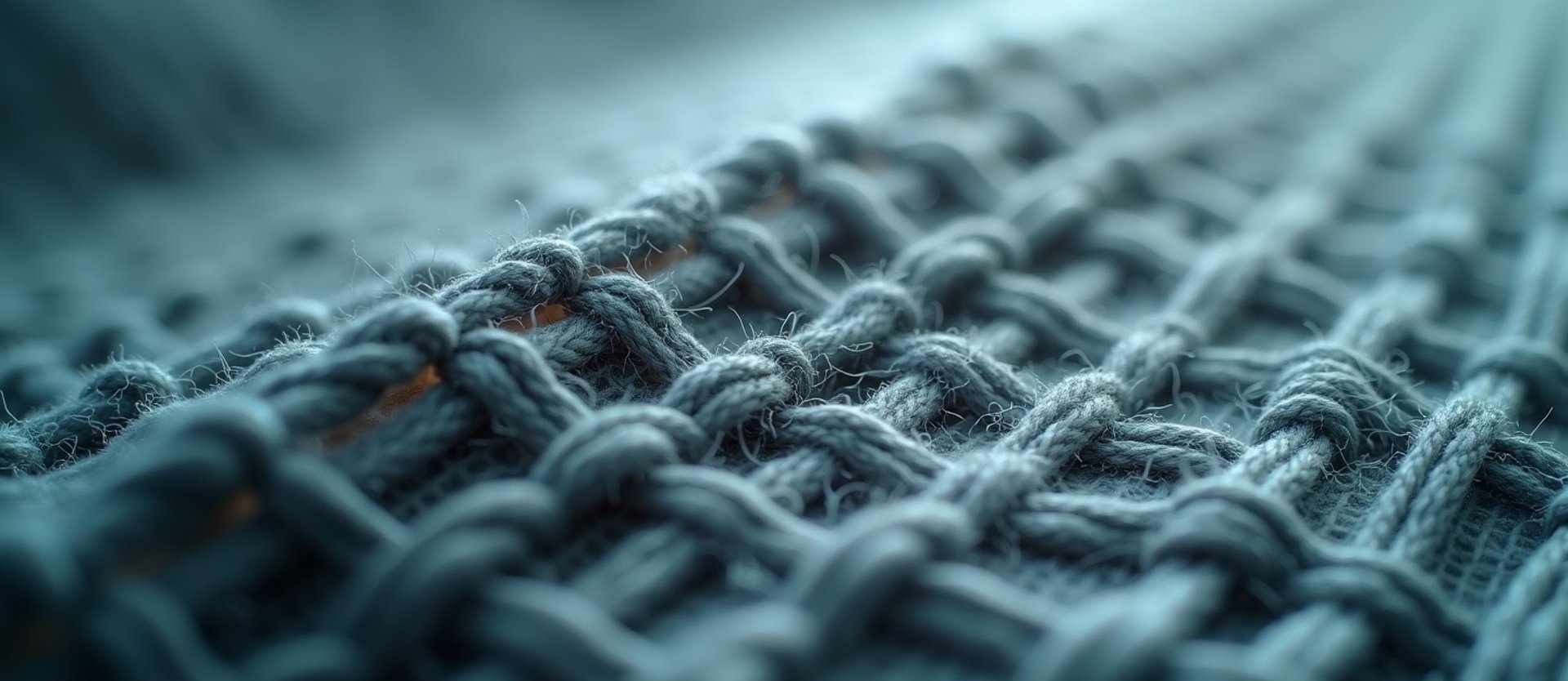
The chemistry of fabric preservation
We analyze fiber composition, dye chemistry, and structural integrity before initiating any restoration protocol. Our laboratory-grade process ensures absolute safety for high-value architectural installations.
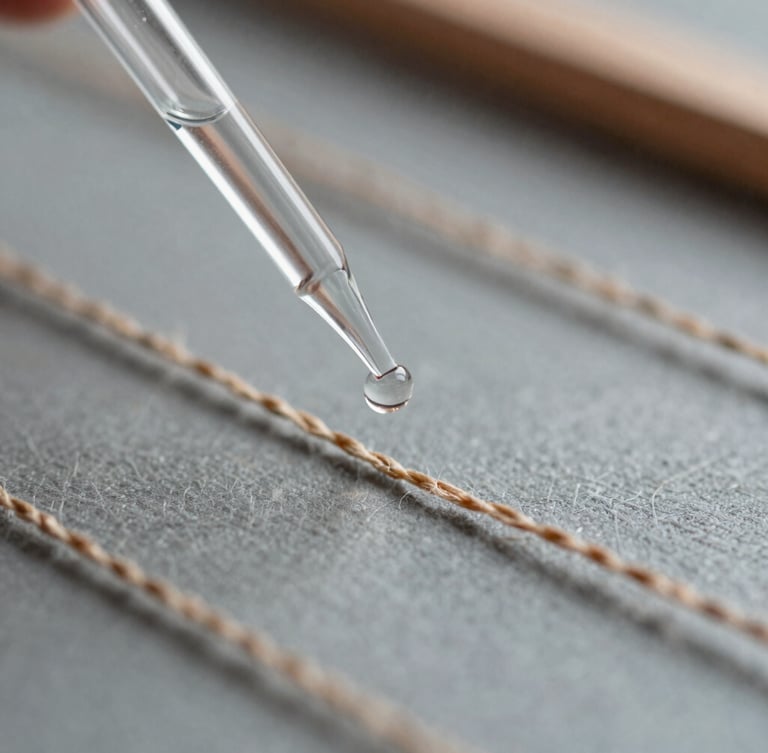
Fiber-level diagnostic testing
Every restoration begins with an invasive-free fiber analysis. We determine the exact chemical tolerance of the weave, identifying historical stabilizers and modern synthetic additions that dictate our solvent selection.
By mapping the molecular resilience of the yarn, our technicians eliminate the risk of structural degradation, ensuring heavy drapery and custom upholstery retain their original architectural tension.
Precision conservation protocols
Our state-of-the-art testing facilities isolate the chemical variables that threaten delicate architectural fabrics, ensuring predictable, safe restoration outcomes for every installation.
Dye stability analysis
Custom solvent formulation
Tension and weave mapping
Spectrometric testing prevents color bleeding and preserves original tonal depth across historic and modern pigments.
We compound proprietary, pH-neutral solvents designed specifically to protect fragile heritage fibers from degradation.
Microscopic analysis of warp and weft threads ensures architectural drapery maintains its precise structural hang.
Protect your architectural assets
Schedule an on-site fiber analysis and technical assessment of your venue's custom textiles with our conservation specialists.